



501(c)(3) Nonprofit Organization

Advancing the Science of Lifestyle Intervention
for Chronic Disease

The Fuller Research Foundation funds rigorous clinical research into environmental and lifestyle interventions for autoimmune conditions, metabolic disease, and mental illness.

Our Mission

Bridging Anecdote and Evidence

We fund high-quality, ethically conducted research to evaluate interventions that have shown remarkable promise but lack the rigorous clinical evidence needed to reach mainstream medicine.

i.

Clinical Trials

We fund and support rigorous, IRB-approved randomized controlled trials, the gold standard of clinical evidence, evaluating ketogenic and carnivore dietary interventions for inflammatory, autoimmune, and psychiatric conditions.

View Current Trial
ii.

Research Synthesis

We curate the growing body of published research on ketogenic and carnivore diets across mental illness, autoimmunity, and metabolic disease,making the science accessible to clinicians, patients, and policymakers.

Browse Studies
iii.

Public Awareness

We track and share credible news coverage from leading institutions,Stanford Medicine, UCSF, NPR, and others,to keep the public and medical community informed of developments in this rapidly evolving field.

Latest News
The Research Gap

Why This Work Is Urgent

Thousands of patients report life-changing remission through ketogenic and carnivore dietary approaches. Yet the formal clinical evidence, the kind that changes medical guidelines and informs prescribing, is severely underfunded and underproduced.

The urgency is compounded by a growing body of research documenting the long-term neurological and psychological consequences of psychiatric medications, including antidepressants and benzodiazepines. If ketogenic dietary therapy proves effective as a treatment for the conditions these drugs are prescribed for, it offers not only a path to recovery but a way to avoid the iatrogenic harm that so often follows long-term pharmaceutical use. Getting people effective alternatives sooner matters.

Without rigorous RCTs, these interventions cannot be recommended by physicians, reimbursed by insurers, or approved by ethics boards for wider study. The Fuller Research Foundation exists to close that gap.

~50M
Americans with Autoimmune Disease.Yet nearly zero large-scale RCTs examine dietary intervention as treatment for IBD or RA.
~12
Active Ketogenic Psychiatry Trials Worldwide.Interest is surging, but trials remain small, underfunded, and difficult to replicate.
0
Large-Scale RCTs for Carnivore/Lion Diet.Despite thousands of documented remissions, no major controlled trial existed before our study.
Leadership & Advisors

Foundation Leadership & Advisors.

Our work is guided by credentialed clinicians, researchers, and advocates with firsthand experience in metabolic and dietary medicine.

Mikhaila Fuller
Mikhaila Fuller
Founder & CEO
Jordan Fuller
Jordan Fuller
Chief Operating Officer
Victor Swift, Ph.D.
Victor Swift, Ph.D.
Researcher, Data & AI
Dr. Robert Abbott
Dr. Robert Abbott
Lead Clinical Researcher
Active Study

Our Landmark
Clinical Trial.

Effectiveness and Efficacy of a Ketogenic or Carnivore (Lion) Diet for Quality of Life and Symptom Burden in Individuals with Symptomatic IBD or Rheumatoid Arthritis: A Randomized Controlled Clinical Trial

Study typeRandomized controlled
Duration6 months
Lead researcherDr. Robert Abbott, MD
EthicsIRB-approved

This landmark trial addresses a critical evidence gap, no large-scale RCTs have previously examined ketogenic or carnivore diets for IBD or rheumatoid arthritis. Participants are followed over six months with regular clinical monitoring, laboratory assessments, and standardized outcome measures.

Learn More & Apply

Your Support Funds Research That Changes Lives

Every tax-deductible contribution goes directly toward funding researchers, laboratory work, and ethical, IRB-approved studies. Help bridge the gap to evidence-based alternatives.

A Foundation Built on Science, Urgency, and Personal Experience

The Fuller Research Foundation is a 501(c)(3) nonprofit organization committed to rigorously advancing scientific knowledge of dietary and alternative interventions for the management of chronic diseases. The Foundation supports high-quality, ethically conducted research, primarily through funding and collaboration, to evaluate the safety, efficacy, and mechanisms of approaches such as strict ruminant-meat-based ketogenic elimination protocols, broader ketogenic diets, and related evidence-informed nutritional strategies.

We aim to empower individuals with effective, sustainable solutions for improving their health and well-being. Through collaboration with researchers, healthcare providers, and communities, we strive to illuminate pathways to better health, foster informed decision-making, and inspire hope for those facing chronic conditions.

Founder and vision

The Fuller Research Foundation was established by Mikhaila Fuller, whose path to founding it was anything but straightforward. Over 21 years, she experienced severe autoimmune disease and treatment-resistant mood disorders before discovering the profound therapeutic potential of ketogenic and carnivore dietary protocols. What followed was not simply recovery, it was a decade of navigating the aftermath of long-term pharmaceutical treatment, including the well-documented but rarely discussed harms of long-term SSRI use and withdrawal.

That experience shaped a broader mission: not only to fund rigorous research into dietary and lifestyle interventions for chronic disease, but to build an honest, evidence-based understanding of the full picture, the environmental causes that drive illness, the dietary and lifestyle approaches that can reverse it, and the pharmaceutical harms that so often remain long after the original diagnosis has been addressed. The Foundation’s research agenda and public education work reflect all three of these dimensions.

The evidence landscape

Much of the current evidence in autoimmunity stems from animal models, where ketogenic diets have demonstrated reductions in inflammation, modulation of immune responses (such as shifting toward anti-inflammatory Treg cells), and symptom amelioration, often linked to ketone bodies like β-hydroxybutyrate.

In humans, small-scale pilot studies have explored ketogenic diets primarily in multiple sclerosis, reporting improvements in fatigue, depression, quality of life, and inflammatory markers with good safety and tolerability over periods like 6 months.

Large-scale, definitive randomized controlled trials across broader autoimmune diseases, lupus, Crohn’s disease, IBD, or general autoimmunity, are scarce. High-quality, large-scale human trials are needed to establish efficacy, long-term safety, and mechanisms.

Our commitment

The Fuller Research Foundation is dedicated to conducting and supporting research that is transparent, methodologically sound, and participant-centered. By partnering with qualified investigators, academic institutions, and healthcare professionals, the Foundation seeks to generate reliable evidence on the role of targeted dietary interventions in chronic disease management, contributing meaningfully to the broader scientific community’s understanding and supporting informed clinical decision-making.

Founders, Researchers & Advisors

Team

The Fuller Research Foundation was built by people who have lived through serious illness and witnessed firsthand what dietary intervention can do. That experience informs everything we fund.

Mikhaila Fuller
Founder & CEO

Mikhaila Fuller

Founder, Fuller Research Foundation

Mikhaila Fuller is a health advocate and entrepreneur whose personal recovery from treatment-resistant autoimmune and psychiatric disease, including juvenile rheumatoid arthritis and severe depression, drives her mission to build rigorous scientific evidence for dietary medicine. In 2017 she developed the Lion Diet, a ruminant-meat-based elimination protocol, and experienced complete remission of symptoms that had defined her life since childhood. Her father, Dr. Jordan B. Peterson, followed the same protocol in 2018 with similar results.

She founded the Fuller Research Foundation to translate that anecdotal evidence into peer-reviewed, IRB-approved science. She also co-founded Peterson Academy and serves as founder of Fuller Health.

Jordan Fuller
Chief Operating Officer

Jordan Fuller

COO, Fuller Research Foundation

Jordan Fuller is COO of the Fuller Research Foundation, overseeing day-to-day operations, strategic partnerships, and the communications infrastructure connecting the Foundation’s research mission with donors and the medical community.

Juan Quintero
Chief of Staff

Juan Quintero

Chief of Staff, Fuller Research Foundation

Juan Quintero serves as Chief of Staff at the Fuller Research Foundation, overseeing administrative operations and organizational coordination. With extensive experience in chief of staff and administrative leadership roles, he ensures the Foundation runs with the efficiency and accountability that rigorous scientific work demands.

Victor Swift, Ph.D.
Researcher, Data Analytics & AI

Victor Swift, Ph.D.

Ph.D. Psychology, University of Toronto Data Analytics & AI

Victor Swift brings expertise in data analytics, artificial intelligence, and clinical psychology to the Fuller Research Foundation. He holds a Ph.D. in Psychology from the University of Toronto, where he developed deep expertise in research methodology and statistical analysis. Victor applies his background in AI and data science to strengthen the Foundation’s research infrastructure and analytical capabilities.

Advisors

Dr. Robert Abbott, MD
Lead Clinical Researcher

Dr. Robert Abbott, MD

MD, University of Virginia School of Medicine Functional Medicine, Kresser Institute Functional Medicine, Institute for Functional Medicine Former Director of Research, Ruscio Institute

Dr. Robert Abbott is an integrative physician and founder of Resilient Roots: Functional and Evolutionary Medicine in Charlottesville, Virginia. He holds an MD from the University of Virginia and completed advanced training through the Kresser Institute and the Institute for Functional Medicine.

A former clinician and director of research at the Ruscio Institute, his peer-reviewed work includes studies on dietary interventions for depression and Hashimoto’s thyroiditis. He serves as lead researcher on the Foundation’s current randomized controlled trial.

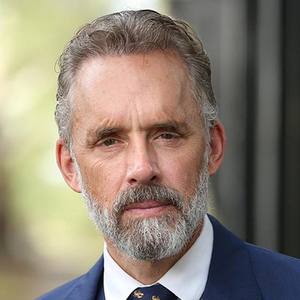
Dr. Jordan B. Peterson, Ph.D.
Scientific Advisor

Dr. Jordan B. Peterson, Ph.D.

Ph.D. Clinical Psychology, McGill University Professor Emeritus, University of Toronto Former Faculty, Harvard University 100+ Peer-Reviewed Publications

Dr. Jordan B. Peterson is a clinical psychologist, Professor Emeritus at the University of Toronto, and bestselling author of 12 Rules for Life and Beyond Order. He holds a Ph.D. from McGill University, conducted post-doctoral research there, and taught at Harvard before two decades at the University of Toronto, publishing over 100 peer-reviewed papers with students and colleagues.

Lion Diet Randomized Controlled Trial for IBD and Rheumatoid Arthritis

Topic page: fullerresearch.org/lion-diet-rct

Effectiveness and Efficacy of a Ketogenic or Carnivore (Lion) Diet for Quality of Life and Symptom Burden in Individuals with Symptomatic Inflammatory Bowel Disease or Rheumatoid Arthritis: A Randomized Controlled Clinical Trial

Randomized controlled trial
160 adults
6 months
Dr. Robert Abbott, MD
IBD & rheumatoid arthritis
IRB-approved

This study is a randomized controlled clinical trial evaluating whether two therapeutic dietary approaches, a ketogenic diet and a carnivore (Lion) diet, can improve quality of life, reduce symptoms, and influence measures of disease activity in adults with inflammatory bowel disease (IBD) or rheumatoid arthritis (RA). It is the largest study of its kind ever conducted on these dietary approaches for autoimmune and inflammatory conditions.

Despite increasing interest in dietary interventions for chronic inflammatory conditions, there remains a significant evidence gap. The most substantial published data to date is a 2024 case series of 10 patients with IBD, all of whom achieved clinical remission using carnivore-ketogenic diets, but that study was small, uncontrolled, and observational. This trial provides the rigorous, peer-reviewable evidence needed to inform future clinical guidelines and treatment options for patients with these debilitating conditions.

Study Design

The trial enrolls 160 adults aged 18–64 with a confirmed diagnosis of IBD (Crohn’s disease or ulcerative colitis) or rheumatoid arthritis. Participants are randomly assigned to one of three groups:

  • Group 1, Ketogenic diet: A high-fat, very low-carbohydrate dietary protocol maintained for 3 months of active intervention.
  • Group 2, Carnivore (Lion) diet: A ruminant meat-based elimination protocol (beef, salt, water) maintained for 3 months of active intervention.
  • Group 3, Control: Participants continue their current diet and are monitored for 3 months, providing a contemporaneous comparator.

All participants complete a 3-month baseline monitoring period before beginning their assigned intervention. Participants are followed over the full 6-month period with regular clinical monitoring, laboratory assessments, and standardized outcome measures to ensure scientific rigor and participant safety.

All aspects of the trial, including recruitment, consent processes, data collection, and monitoring, are conducted in strict compliance with IRB approval, federal regulations, and ethical guidelines to prioritize participant welfare and data integrity.

Primary & Secondary Outcomes

The primary goal of this study is to determine whether ketogenic or carnivore dietary therapy improves:

  • Health-related quality of life (validated disease-specific instruments)
  • Disease-specific symptom burden (IBD: CDAI/Mayo score; RA: DAS28)
  • Objective inflammatory markers (CRP, ESR, fecal calprotectin where applicable)

Secondary aims include assessing feasibility and adherence, safety (adverse events, nutritional status, cardiometabolic changes including blood lipids and metabolic panels), and whether sustained nutritional ketosis (measured via blood ketone monitoring) correlates with clinical outcomes.

What Participation Involves

After completing the eligibility application and being confirmed as a participant, enrolled individuals can expect:

  • Detailed onboarding, dietary guidance, and informed consent process
  • Random assignment to a dietary intervention or control group
  • 6 months following your assigned dietary protocol with full research team support
  • Periodic labs throughout the study
  • Regular check-ins with the research team via telehealth
  • Completion of validated symptom and quality-of-life questionnaires at defined intervals
  • A group participants can join for support
  • Dietary logging and ketone monitoring

The study is conducted remotely, so participants across the United States are eligible to enroll. Lab work is coordinated through partner facilities. There is a one-time $200 enrollment fee to partially cover lab testing. All other laboratory testing, clinical monitoring, administration and ongoing research support throughout the study are fully covered by the Foundation.

Research Ethics & Institutional Oversight

Approved, Full Board Review
HIPAA-compliant
Randomized controlled
Resilient Roots Functional Medicine
Required of all participants
Peer-reviewed journal

The Fuller Research Foundation is committed to the highest standards of research ethics. All studies funded or conducted by the Foundation are subject to institutional review board oversight, participant informed consent, and HIPAA-compliant data handling. Conflicts of interest are disclosed in all publications. We publish results whether or not they confirm our hypotheses.

Eligibility & How to Apply

You may be eligible to participate if you meet all of the following criteria:

  • Age 18–64
  • Formal medical diagnosis of IBD (Crohn’s disease or ulcerative colitis) or rheumatoid arthritis, with documentation
  • No prior experience with ketogenic or carnivore diets
  • Not currently pregnant or breastfeeding
  • Residing in the United States (required for laboratory coordination)
  • Willing to adhere to the assigned dietary protocol for 3–6 months depending on randomization

There is a one-time $200 enrollment fee to cover intake processing and administration. All laboratory testing, monitoring, and clinical assessments throughout the study are fully covered by the Foundation. All prospective participants receive complete information about procedures, potential risks and benefits, and their rights before providing informed consent.

All personal health information collected is handled in accordance with our HIPAA Notice of Privacy Practices, which outlines how protected health information is used, disclosed, and safeguarded.

Apply Here

Current Studies

Scientific interest in ketogenic diets has expanded rapidly in recent years. Long established for intractable epilepsy since the 1920s, the field now sees over 600 publications annually on PubMed, driven by clinical trials, meta-analyses, and reviews exploring broader applications.

This growth is vital for people with chronic conditions, obesity, type 2 diabetes, autoimmune disorders, and neurological or psychiatric issues, where standard treatments often fall short. The Fuller Research Foundation is dedicated to supporting transparent, high-quality research to close evidence gaps. Dietary interventions should always be undertaken under medical supervision.

Topic synthesis page: Carnivore Diet Research

Feb 2026

A Ketogenic Diet for Treatment-Resistant Depression: A Randomized Clinical Trial

JAMA Psychiatry. UK randomized clinical trial of 88 adults with treatment-resistant depression. Both arms improved, but the ketogenic group reached a 10.5-point reduction on a 27-point depression scale at 6 weeks versus 8.3 in the control arm. Only 9% remained strictly adherent after the trial, underscoring the need for sustained clinical support around dietary therapy.

2026

A Retrospective Evaluation of an Online Group Ketogenic Metabolic Therapy Intervention on Mental Health Outcomes

Frontiers in Nutrition. Retrospective evaluation of a remotely delivered group KMT program in 19 adults. Reports a 62% reduction in depression scores and a 46% reduction in anxiety scores over 12 weeks, alongside reductions in BMI and improved sleep. Small N and no control group — interpret as hypothesis-generating.

Feb 2026

Awareness and Best Practices in Using Ketogenic Therapy to Treat Serious Mental Illness: A Modified Delphi Consensus

Published in Frontiers in Nutrition. A modified Delphi method with 47 expert clinicians reached 100% consensus on 33 statements regarding ketogenic metabolic therapy (KMT) for major depressive disorder, bipolar disorder, and schizophrenia. Defines KMT, provides guidance on patient selection, monitoring, supplementation, and contraindications.

2025

Sustained Metabolic Improvements in a Remotely Delivered Ketogenic Nutrition Programme for Veterans with Type 2 Diabetes: A 3-Year Observational Study

Adams et al. Diabetes, Obesity and Metabolism. Three-year follow-up of veterans participating in a remotely delivered, medically supervised ketogenic nutrition programme for type 2 diabetes. Demonstrates that durable T2D remission is feasible with carbohydrate-restricted nutrition therapy plus continuous, rather than episodic, expert remote support.

2025

The Role and Benefits of Ketogenic Diet in Modulating Inflammation in Multiple Sclerosis: A Systematic Review and Meta-Analysis

Systematic review and meta-analysis of inflammatory markers in MS patients on ketogenic diets. At 3 months, leptin decreased and adiponectin increased significantly; same direction sustained at 6 months. Adds quantitative weight to the case that ketogenic intervention modulates inflammatory signaling in autoimmune neurological disease.

Jun 2025

Case Report: Remission of Schizophrenia Using a Carnivore Ketogenic Metabolic Therapy

Schizophrenia remission achieved through carnivore ketogenic diet with nutritional therapy practitioner support.

May 2025

The Ketogenic Diet and Metabolic Treatments for Neuropsychiatric Disorders

Reviews ketogenic and related metabolic therapies for neuropsychiatric conditions, emphasizing brain metabolism shifts and the therapeutic potential of nutritional ketosis.

Apr 2025

Ketogenic Diet as a Therapeutic Intervention for Obsessive-Compulsive Disorder: A Case Series of Three Patients

Case series of three patients with OCD achieving symptom improvement or remission via ketogenic diet intervention. Average Y-BOCS scores reduced by 21 points (90.5% mean decrease); all three achieved medication-free remission.

Mar 2025

Ketogenic Diets for Body Weight Loss: A Comparison with Other Diets

Compares ketogenic diets to other approaches for weight loss, highlighting efficacy, adherence, and metabolic effects.

Feb 2025

A Pilot Study of a Ketogenic Diet in Bipolar Disorder: Clinical, Metabolic and Magnetic Resonance Spectroscopy Findings

Examines ketogenic diet effects in bipolar disorder, including clinical symptom changes, metabolic outcomes, and brain spectroscopy data.

Feb 2025

Ketogenic Diet Suppresses Colorectal Cancer through the Gut Microbiome Long Chain Fatty Acid Stearate

Research showing that ketogenic diets may suppress colorectal cancer progression via gut microbiome-mediated effects involving stearate, a long-chain fatty acid. Published in Nature Communications.

Dec 2024

Clinical Research Framework Proposal for Ketogenic Metabolic Therapy in Glioblastoma

Proposes a framework for clinical research on ketogenic metabolic therapy as a treatment for glioblastoma (brain cancer), focusing on metabolic vulnerabilities of tumor cells.

Sep 2024

Carnivore–Ketogenic Diet for the Treatment of Inflammatory Bowel Disease: A Case Series of 10 Patients

Ten patients with IBD (6 ulcerative colitis, 4 Crohn's disease) achieved remission or major symptom improvement using ketogenic carnivore-style diets. Patients reported high satisfaction and potential biological mechanisms supporting this approach for IBD management.

Aug 2024

The Effects of Ketogenic Metabolic Therapy on Mental Health and Metabolic Outcomes in Schizophrenia and Bipolar Disorder: A Randomized Controlled Clinical Trial Protocol

Protocol for a randomized placebo-controlled trial involving 100 patients with schizophrenia, schizoaffective disorder, or bipolar disorder. Tests a 14-week dietitian-supervised modified ketogenic diet versus standard healthy eating control.

May 2024

Complete Remission of Depression and Anxiety Using a Ketogenic Diet: Case Series

Three adults with major depression and generalized anxiety disorder treated with personalized animal-based ketogenic metabolic therapy. All achieved complete remission within 7–12 weeks, alongside weight loss (10.9–14.8%) and metabolic improvements.

Jun 2023

Animal-based Ketogenic Diet Puts Severe Anorexia Nervosa into Multi-Year Remission: A Case Series

Three patients with severe, treatment-refractory anorexia nervosa (BMI nadirs as low as 10.7 kg/m²) achieved sustained remission (1–5 years). Weight gain >20 kg each, reduced anxiety, and improved mental well-being. First reported use of a unimodal ketogenic intervention for anorexia.

Jan 2023

Case Report: Ketogenic Diet Acutely Improves Cognitive Function in Patient with Down Syndrome and Alzheimer's Disease

Acute cognitive improvements in a patient with Down syndrome and Alzheimer's disease following ketogenic diet implementation, suggesting neuroprotective effects via ketosis.

Oct 2022

All-Meat Ketogenic Diet for Long-Term Management of Candida Vulvovaginitis and Vaginal Hidradenitis Suppurativa: 47-Month Follow-Up

Long-term case report of a patient successfully managing recurrent Candida vulvovaginitis and vaginal hidradenitis suppurativa with an all-meat ketogenic diet.

Nov 2021

Behavioral Characteristics and Self-Reported Health Status among 2029 Adults Consuming a "Carnivore Diet"

Large survey of 2029 adults following a carnivore diet for a median of 14 months. 95% reported improvements in overall health; few adverse effects; BMI reduction and benefits for diabetes.

Oct 2020

Ketogenic Diet as a Metabolic Treatment for Mental Illness

Examines how ketosis may address underlying brain energy deficits in conditions like schizophrenia, bipolar, and depression.

Jul 2020

Ketogenic Therapy in Serious Mental Illness: Emerging Evidence

Overview of growing evidence supporting ketogenic metabolic therapy for serious mental illnesses including schizophrenia and bipolar disorder.

Sep 2019

Ketogenic Diet for Schizophrenia: Clinical Implication

Summarizes case studies, mechanisms (ketone bodies as alternative brain fuel), and potential for symptom reduction in schizophrenia.

Jun 2019

The Ketogenic Diet and Remission of Psychotic Symptoms in Schizophrenia: Two Case Studies

Two case studies demonstrating remission of psychotic symptoms in schizophrenia patients using ketogenic diets.

Nov 2018

Ketogenic Diet as a Metabolic Therapy for Mood Disorders: Evidence and Developments

Reviews mechanisms (metabolic shifts, reduced inflammation) and preliminary evidence showing benefits for depression and bipolar symptoms.

2018

The Effects of the Ketogenic Diet on Psychiatric Symptomatology, Weight and Metabolic Dysfunction in Schizophrenia Patients

Investigates ketogenic diet impacts on psychiatric symptoms, weight, and metabolic issues in schizophrenia, reporting improvements across all areas.

Jan 2018

Complete Cessation of Recurrent Cervical Intraepithelial Neoplasia (CIN) by the Paleolithic Ketogenic Diet: A Case Report

Patient with recurrent high-grade CIN achieved complete cessation after adopting a paleolithic ketogenic diet. Follow-up Pap smears normalized within months; sustained normal results over 26 months.

Jan 2017

Ketogenic Diet in the Treatment of Schizoaffective Disorder: Two Case Studies

Two case studies showing benefits of ketogenic diets for symptom management in schizoaffective disorder.

Jul 2019

Diets and Disorders: Can Foods or Fasting Be Considered Psychopharmacologic Therapies?

Discussion on whether dietary interventions including ketogenic diets or fasting can function as psychopharmacologic treatments for psychiatric disorders.

2009

The Neuroprotective Properties of Calorie Restriction, the Ketogenic Diet, and Ketone Bodies

Maalouf, Rho & Mattson. Brain Research Reviews. Comprehensive review demonstrating how ketone bodies protect neurons by improving mitochondrial function, reducing oxidative damage, and modulating apoptotic pathways, establishing the metabolic basis for ketogenic neuroprotection across neurological and psychiatric conditions.

Help Fund the Next Wave of Studies

Most nutritional studies in these areas remain small or underfunded. Your support helps accelerate the rigorous trials that could validate these approaches for doctors, patients, and policymakers worldwide.

Iatrogenic Injury Research

SSRIs, SNRIs, and benzodiazepines are among the most widely prescribed drugs in the world, yet harms associated with their use and discontinuation remain systematically underreported and poorly communicated to patients. Akathisia, a drug-induced state of profound inner restlessness and psychological torment, is one of the most serious: routinely misidentified as worsening mental illness, it has been directly linked to suicidal ideation, self-harm, and violence, and can persist for months or years after stopping.

Benzodiazepine dependence can develop in days, far shorter than the 2–4 weeks guidelines typically cite, and withdrawal can be severe and protracted, causing neurological symptoms, cognitive impairment, and autonomic dysfunction lasting years. This has been documented since the 1980s and remains inadequately addressed in prescribing practice. For more information visit prescribed-harm.com.

Topic synthesis page: Antidepressant Withdrawal and Akathisia

2025

Long-Term Neurological Consequences Following Benzodiazepine Exposure: A Scoping Review

Shade, Ritvo et al. PLoS One. Comprehensive scoping review documenting the range and persistence of neurological consequences following benzodiazepine use, including cognitive impairment, sensory disturbance, and autonomic dysfunction lasting well beyond discontinuation.

2024

Evaluation of Akathisia in Patients Receiving Selective Serotonin Reuptake Inhibitors/Serotonin and Noradrenaline Reuptake Inhibitors

Akgoz, Kara et al. Behavioural Pharmacology. Clinical study directly evaluating the incidence and severity of akathisia in patients prescribed SSRIs and SNRIs, finding the condition is common and frequently unrecognized by treating clinicians.

2022

The Serotonin Theory of Depression: A Systematic Umbrella Review of the Evidence

Moncrieff et al. Molecular Psychiatry. Landmark umbrella review finding no consistent evidence that depression is caused by lowered serotonin activity or concentrations, directly undermining the primary scientific rationale used to justify SSRI prescribing for decades.

2023

Long-Term Consequences of Benzodiazepine-Induced Neurological Dysfunction: A Survey

Ritvo, Foster et al. PLoS One. Survey of long-term benzodiazepine users documenting persistent neurological dysfunction including cognitive impairment, emotional blunting, sensory symptoms, and autonomic dysregulation, many reporting symptoms lasting years after discontinuation.

2022

Experiences with Benzodiazepine Use, Tapering, and Discontinuation: An Internet Survey

Finlayson, Macoubrie et al. Therapeutic Advances in Psychopharmacology. Large patient survey documenting the difficulty of benzodiazepine discontinuation, high rates of protracted withdrawal, and the inadequacy of current clinical guidance, with many patients reporting their prescribers were unaware of or dismissed their withdrawal symptoms.

2020

Movement Disorders Induced by Psychiatric Drugs That Do Not Block Dopamine Receptors

Friedman JH. Parkinsonism & Related Disorders. Documents that SSRIs and other non-dopamine-blocking psychiatric drugs can cause movement disorders including akathisia, important because clinicians often assume such effects are limited to antipsychotics, leaving SSRI-induced akathisia unrecognized and untreated.

2019

A Systematic Review into the Incidence, Severity and Duration of Antidepressant Withdrawal Effects: Are Guidelines Evidence-Based?

Davies & Read. Addictive Behaviors. Finds that antidepressant withdrawal is common (56% of patients) and often severe (46% of those affected), and that current clinical guidelines significantly understate the problem, often describing withdrawal as mild and brief when evidence suggests otherwise.

2016

Suicidality and Aggression During Antidepressant Treatment: Systematic Review and Meta-Analyses Based on Clinical Study Reports

Sharma et al. BMJ. Using unpublished clinical study reports obtained via freedom of information requests, found that antidepressants approximately doubled the risk of suicidality and aggression in children and adolescents compared to placebo (odds ratios 2.39 and 2.79). The effect in adults did not reach statistical significance. These signals had been obscured in the published trial literature.

2014

Benzodiazepine Use and Risk of Alzheimer's Disease: Case-Control Study

Billioti de Gage, Moride et al. BMJ. Case-control study finding benzodiazepine use was associated with an increased risk of Alzheimer's disease, with longer duration of use associated with greater risk, adding long-term neurodegenerative harm to the established concerns about benzodiazepine prescribing.

2011

Antidepressant-Induced Akathisia-Related Homicides Associated with Diminishing Mutations in Metabolizing Genes of the CYP450 Family

Lucire & Crotty. Pharmacogenomics and Personalized Medicine. Forensic study of eight individuals who committed homicide while taking antidepressants, none with prior histories of violence. All had CYP450 polymorphisms causing dangerously elevated drug levels and severe akathisia, establishing the mechanism by which a standard prescription can drive catastrophic violence.

2003

Neuroleptic-Induced Akathisia and Violence: A Review

Leong & Silva. Journal of Forensic Sciences. Forensic review documenting that the association between akathisia and violent behavior was not formally recognized until 25 years after antipsychotics were introduced, meaning patients were being driven to violence by their medications while the profession failed to identify the cause.

1998

SSRI-Induced Extrapyramidal Side-Effects and Akathisia: Implications for Treatment

Lane RM. Journal of Psychopharmacology. Comprehensive review demonstrating that SSRIs can induce akathisia through serotonergically-mediated inhibition of dopamine pathways. Documents that unrecognized akathisia leads to dose increases (worsening the condition), misdiagnosis as psychiatric deterioration, and escalating medication burden.

1991

Reexposure to Fluoxetine After Serious Suicide Attempts by Three Patients: The Role of Akathisia

Rothschild & Locke. Journal of Clinical Psychiatry. Landmark case series of three patients who made serious suicide attempts during fluoxetine treatment and developed severe akathisia on retreatment. All reported that akathisia, not depression, had precipitated their suicide attempts. Symptoms resolved completely with discontinuation or propranolol, providing direct early evidence that SSRI-induced akathisia can cause suicidality in patients not previously suicidal.

Mitochondrial Dysfunction Research

A growing body of evidence suggests that mitochondrial dysfunction, the impaired ability of cells to produce energy, is a shared mechanism underlying many chronic diseases, mental health conditions, and iatrogenic injuries. Mold biotoxins disrupt mitochondrial respiration directly. Long-term psychiatric medications, including SSRIs and benzodiazepines, have been shown to impair mitochondrial function and may contribute to the neurological symptoms that outlast their use. And the ketogenic diet, by providing ketones as an alternative fuel, may restore cellular energy production where glucose metabolism has been compromised. The studies below span all three dimensions of this connection.

2023

Different Effects of SSRIs, Bupropion, and Trazodone on Mitochondrial Functions and Monoamine Oxidase Isoform Activity

Šupták et al. Antioxidants. Compared SSRIs, bupropion, and trazodone for their effects on mitochondrial function. Escitalopram emerged as the strongest inhibitor of Complex I-linked respiration among the drugs tested, with direct implications for why long-term antidepressant use may cause persistent neurological symptoms and energy dysregulation.

2023

Mitochondrial Dysfunction Following Repeated Administration of Alprazolam Causes Attenuation of Hippocampus-Dependent Memory Consolidation in Mice

Aging, 2023. The first study to establish a direct causal link between alprazolam (benzodiazepine)-induced mitochondrial dysfunction and cognitive impairment, providing a mechanistic explanation for the memory and neurological symptoms reported by long-term benzodiazepine users.

2018

Mycotoxin-Assisted Mitochondrial Dysfunction and Cytotoxicity: Unexploited Tools Against Proliferative Disorders

Islam et al. IUBMB Life. Documents how mycotoxins, including citrinin, aflatoxin, and T-2 toxin produced by mold, cause mitochondrial dysfunction at low doses through oxidative stress and disruption of the electron transport chain, contributing to multi-system illness.

2012

Mitochondrial Dysfunction Induced by Sertraline, an Antidepressant Agent

Toxicological Sciences. Shows that sertraline (Zoloft) induces mitochondrial permeability transition, ATP depletion, and inhibition of respiratory complexes, direct mitochondrial toxicity at clinically relevant concentrations.

2012

Modulation of Oxidative Stress and Mitochondrial Function by the Ketogenic Diet

Milder & Patel. Epilepsy Research. Reviews how the ketogenic diet reduces oxidative stress and enhances mitochondrial function, including upregulation of antioxidant defenses and improvements in electron transport chain efficiency, with implications well beyond epilepsy.

2009

The Neuroprotective Properties of Calorie Restriction, the Ketogenic Diet, and Ketone Bodies

Maalouf, Rho & Mattson. Brain Research Reviews. Comprehensive review demonstrating how ketone bodies protect neurons by improving mitochondrial function, reducing oxidative damage, and modulating apoptotic pathways, establishing the metabolic basis for ketogenic neuroprotection.

2009

Mitochondrial Dysfunction and Psychiatric Disorders

Rezin et al. Neurochemical Research. Reviews the evidence for mitochondrial dysfunction as a contributing factor in bipolar disorder, major depression, and schizophrenia, including impaired oxidative phosphorylation and reduced mitochondrial enzyme activity across all three conditions.

2006

Mitochondrial Biogenesis in the Anticonvulsant Mechanism of the Ketogenic Diet

Bough et al. Annals of Neurology. Landmark study demonstrating that the ketogenic diet significantly upregulates mitochondrial biogenesis, increasing the number and efficiency of mitochondria in brain cells, as a key mechanism behind its therapeutic effects.

2005

A Mitochondrial Paradigm of Metabolic and Degenerative Diseases, Aging, and Cancer: A Dawn for Evolutionary Medicine

Wallace DC. Annual Review of Genetics. Highly influential review establishing mitochondrial dysfunction as a central driver of metabolic and degenerative disease, providing the foundational framework for understanding why so many seemingly disparate conditions share common cellular mechanisms.

2002

Mitochondrial Dysfunction in Schizophrenia: A Possible Linkage to Dopamine

Ben-Shachar D. Journal of Neurochemistry. Seminal paper establishing the connection between mitochondrial impairment and dopaminergic dysfunction in schizophrenia, suggesting that disrupted cellular energy production may be at the root of symptoms previously attributed solely to neurotransmitter imbalance.

2001

Ketone Bodies, Potential Therapeutic Uses

Veech et al. IUBMB Life. Foundational paper by pioneer researcher Richard Veech establishing that ketone bodies are a more efficient fuel for the mitochondria than glucose, producing more ATP per unit of oxygen consumed and reducing oxidative stress in the process.

Latest Coverage

Keto & Autoimmune Disease

NeurologyLive · 2025

Ketogenic Diet Shows Potential for Modulating Immune Response in Multiple Sclerosis

Late-breaking clinical conference coverage of the modified Atkins diet showing immunomodulatory effects in MS patients, framing dietary intervention as an adjunct to standard disease-modifying therapy.

UCSF News · November 2024

How the Keto Diet Could One Day Treat Autoimmune Disorders

University article on keto boosting anti-inflammatory compounds via gut microbes, reducing MS-like symptoms in models, with potential for human autoimmune conditions.

Healthline · 2023

Can the Ketogenic Diet Help with Autoimmune Disease?

Reviews the mechanisms by which ketosis may reduce autoimmune activity, including suppression of the NLRP3 inflammasome, reduction in pro-inflammatory cytokines, and improved gut barrier function.

Carnivore Diet & Autoimmunity

Men's Health · 2023

Can the Carnivore Diet Help Autoimmune Conditions?

Covers patient cases and early clinical evidence suggesting elimination of plant-based compounds may reduce autoimmune flares, with expert commentary on the mechanisms and risks.

Diet Doctor · August 2018

Could an All-Meat Diet Cure Some Diseases?

Features Mikhaila Peterson's remission from severe juvenile rheumatoid arthritis and other autoimmune issues on an all-meat diet.

Ketogenic Diet & Mental Illness

The State Journal · April 2026

Keto Diet Sent Son's Bipolar Symptoms Into Remission

Guest column from a parent describing their son's recovery from bipolar disorder on ketogenic metabolic therapy, written in the wake of growing public interest in dietary approaches to serious mental illness.

STAT News · March 2026

Why This Stanford Psychiatrist Thinks Diet Can Influence Serious Mental Health Disorders

Profile of Stanford researcher Shebani Sethi and the emerging field of "metabolic psychiatry," covering her work on the role of metabolic dysfunction in depression, schizophrenia, and bipolar disorder.

Medical Xpress · March 2026

Remote Ketogenic Therapy Linked to 62% Lower Depression Scores in 12 Weeks

Covers a retrospective evaluation of a remotely delivered group KMT program: 62% reduction in depression scores and 46% reduction in anxiety scores over 12 weeks in a small cohort of adults, alongside metabolic improvements.

Medical Xpress · February 2026

Keto Diet a Potential Treatment for Depression, Trial Shows

Science-press coverage of the UK randomized trial in treatment-resistant depression, noting greater symptom improvement in the ketogenic arm at six weeks and the mechanistic case for ketosis stabilizing neurons and reducing brain inflammation.

U.S. News & World Report · February 2026

Keto Diet a Potential Treatment for Depression, Trial Shows

Reports randomized trial showing antidepressant benefits in treatment-resistant depression, with ketosis stabilizing neurons and reducing brain inflammation.

Stanford Medicine Magazine · September 2025

Diet Has Outsized Role in Preventing and Treating Illness

Covers metabolic links to mental illness; notes patients with schizophrenia showing 32% reduction in symptom intensity on keto.

Stanford Medicine · April 2025

Five Things to Know About Keto Therapy and Serious Mental Illness

Discusses how ketogenic therapy reduces brain inflammation linked to depression, anxiety, schizophrenia, and bipolar; highlights pilot improvements and ongoing larger trials.

WebMD · June 2024

Schizophrenia and Food: Do Keto and Gluten-Free Diets Help?

Covers small studies and case reports where keto reduced inflammation and improved schizophrenia symptoms, including long-term remission in one case.

Stanford Medicine News · April 2024

Pilot Study Shows Ketogenic Diet Improves Severe Mental Illness

Pilot trial of 21 patients with schizophrenia/bipolar: 79% showed clinically meaningful psychiatric improvements, plus significant metabolic gains.

The Guardian · January 2024

How the Ketogenic Diet Could Help Treat Mental Illness

Reports on emerging clinical trials testing ketogenic therapy for bipolar disorder and schizophrenia, including Stanford research, with commentary from psychiatrists on the metabolic basis of serious mental illness.

NPR Shots · January 2024

Patients Say Keto Helps with Their Mental Illness. Science Is Racing to Understand Why

Patient anecdotes and research on keto alleviating bipolar, schizophrenia, and depression symptoms; notes approximately 12 ongoing clinical trials worldwide.

Psychiatric Medications: Harm, Withdrawal & Suicidality

Mad in America · 2023

Akathisia: The Drug-Induced Condition Linked to Violence and Suicide

In-depth coverage of akathisia, including its misdiagnosis as worsening mental illness, its documented link to suicidal ideation and violent episodes, and the failure of clinical training and prescribing guidelines to adequately warn patients and clinicians.

The Guardian · July 2022

Scientists Cast Doubt on Depression's Link to Low Serotonin Levels

Reporting on the Moncrieff et al. umbrella review in Molecular Psychiatry finding no convincing evidence that depression is caused by lowered serotonin, calling into question the primary scientific justification used to prescribe SSRIs to millions worldwide.

BBC News · July 2022

Depression: Low Serotonin May Not Be the Cause, Study Suggests

Covers the landmark serotonin review and the significant public debate it triggered, including responses from psychiatrists who continue to defend SSRI prescribing despite the lack of mechanistic evidence.

The Guardian · January 2020

Benzodiazepine Tranquillisers: Addictive and Harmful, Patients Say

Patients and advocates describe severe, protracted withdrawal from benzodiazepines prescribed for anxiety and sleep, sometimes lasting years, and call for recognition of the scale of iatrogenic dependence created by standard prescribing practice.

CBC News · 2019

People Are Suffering Through Severe Antidepressant Withdrawal. Doctors Are Slow to Recognize It

Investigative report on patients experiencing protracted and severe withdrawal from SSRIs and SNRIs, with accounts of neurological symptoms lasting months or years, and clinicians dismissing or mischaracterizing these effects as relapse.

The Guardian · January 2019

Antidepressants: Thousands Suffer Severe Withdrawal Symptoms, Guidance Says

Reports on revised UK clinical guidance acknowledging that antidepressant withdrawal is frequently severe and long-lasting, a significant reversal from prior guidance that characterized it as mild and short-lived.

The Times · 2018

Half of Antidepressant Users Suffer Withdrawal Symptoms

Coverage of the Royal College of Psychiatrists acknowledging the scale of antidepressant discontinuation problems, and calls for updated prescribing guidance and better patient information.

BMJ · 2016

Antidepressants Double Risk of Suicidality and Aggression in Children, Study Finds

Coverage of the Sharma et al. meta-analysis showing antidepressants significantly increase suicidal ideation and aggressive behaviour in children and adolescents, effects that had been obscured in published clinical trial reports submitted to regulators.

Frequently Asked Questions

For Donors

Yes. The Fuller Research Foundation is a registered 501(c)(3) nonprofit organization incorporated in Wyoming. All donations are tax-deductible to the full extent permitted by law. You will receive an automated receipt via email after your donation, which you can use for tax purposes.
100% of donations go directly to research. We have no administrative fees. Every dollar donated is used to pay researchers and medical staff and to cover laboratory costs for study participants. Financial records are available upon request.
Yes, and monthly gifts are especially valuable. Predictable recurring revenue allows us to make long-term commitments to researchers and multi-phase trials that single-grant funding cannot sustain. Select “Give Monthly” on the donation form to set up recurring giving. You can cancel at any time.
All payments are processed by Stripe, a PCI-DSS Level 1 certified payment processor used by millions of organizations worldwide. We never see or store your card details. Transactions are encrypted with 256-bit SSL.
For larger gifts, wire transfers, stock donations, or other giving arrangements, please contact us at info@fullerresearch.org and we will work with you directly.
Yes. We are committed to open science. We submit all completed studies for peer-reviewed publication regardless of whether results confirm our hypotheses. Negative or null results are just as important to the scientific record as positive findings.

For Study Participants

For our current trial, you may be eligible if you have a formal physician diagnosis of rheumatoid arthritis (RA) or inflammatory bowel disease (IBD), have not previously followed a ketogenic or carnivore diet for more than a brief period, and are willing to adhere to the assigned dietary intervention for 3–6 months. Complete the eligibility survey on our Research page for a full assessment.
There is a one-time enrollment fee of $200 to participate. This covers intake processing and study administration. Laboratory work, ongoing monitoring, and clinical assessments throughout the study are covered by the Foundation.
After completing the eligibility survey and providing informed consent, enrolled participants follow a randomly assigned dietary protocol (either ketogenic, carnivore/Lion Diet, or control) for the study duration. This involves regular check-ins with the research team, periodic blood draws and laboratory assessments, completing validated symptom and quality-of-life questionnaires, and maintaining diet logs. The study team provides detailed dietary guidance and ongoing support.
All study procedures have been reviewed and approved by an independent institutional review board (IRB). The protocol includes regular monitoring for adverse events, and participants may withdraw at any time without consequence. The study team includes a licensed medical doctor (Dr. Robert Abbott, MD) who oversees participant safety throughout the trial. Any health concerns that arise during the study are addressed promptly.
All personal health information collected during the study is handled in strict compliance with HIPAA (Health Insurance Portability and Accountability Act). Data is stored securely, de-identified for analysis, and never sold or shared with third parties outside of study requirements. You will receive and sign a full HIPAA Notice of Privacy Practices before enrolling.
Yes. Participation is entirely voluntary. You may withdraw at any time, for any reason, without penalty or consequence to any care you receive. Withdrawing does not affect your relationship with the Foundation or any future eligibility.

Contact

Contact Us

For study participation, please visit our Clinical Trial page to apply through the eligibility survey. We’ll do our best to respond to other enquiries as fast as we can.

Organization

Fuller Research Foundation
501(c)(3) Nonprofit
Incorporated in Wyoming
EIN: 33-3097190

Thank you, your message has been sent.

Education & Public Awareness

Environmental toxins, dietary interventions, and psychiatric medication damage may seem like separate topics, but a growing body of evidence connects them through a common thread: mitochondrial dysfunction. We’ve built dedicated educational resources to bring this science directly to the public.

A Unifying Mechanism

Mold exposure, chronic psychiatric medication use, and metabolic disease may appear unrelated, but research increasingly points to mitochondrial dysfunction as a shared underlying mechanism. Biotoxins from mold directly impair mitochondrial respiration, reducing the cell’s capacity to produce energy and triggering widespread inflammation. Long-term use of SSRIs and benzodiazepines has similarly been shown to damage mitochondrial function, contributing to the neurological symptoms that persist long after discontinuation. The ketogenic diet works, in part, by providing an alternative mitochondrial fuel, ketones bypass damaged glucose metabolism pathways and restore energy production in the brain and other tissues. Understanding this connection helps explain why the same dietary intervention can have profound effects across conditions that seem entirely different on the surface.

1.

Environmental Illness

Visit biotoxin.com

A significant and largely overlooked driver of chronic disease and mental illness is the environment itself. Mold exposure is one of the most common and damaging of these, when people spend time in water-damaged buildings, biotoxins can trigger Chronic Inflammatory Response Syndrome (CIRS), a multi-system illness affecting nearly every organ, including the brain. At the cellular level, biotoxins directly impair mitochondrial function, disrupting the body’s ability to produce energy and driving the neurological symptoms, anxiety, depression, cognitive impairment, that are frequently misdiagnosed as primary psychiatric conditions. This resource explores the science behind environmental illness, the mechanisms of CIRS, and what the evidence says about recovery.

2.

Ketogenic Dietary Intervention

Visit liondiet.com

Many chronic diseases and mental health conditions driven by environmental or inflammatory triggers show striking improvement on a ketogenic diet, and mitochondrial function may be why. Ketones provide an alternative fuel that bypasses damaged glucose metabolism pathways, restoring energy production directly in brain cells and other tissues. This is particularly significant where mitochondrial dysfunction is a root cause: conditions like depression, bipolar disorder, epilepsy, autoimmune disease, and metabolic syndrome all involve impaired cellular energy production. By giving the mitochondria a cleaner fuel source, ketosis may address the underlying deficit rather than masking symptoms. This resource examines the emerging science behind ketogenic and carnivore dietary interventions, with a focus on what the clinical evidence actually shows.

3.

Pharmaceutical Injury

Visit prescribed-harm.com

Even after identifying the root cause of illness and finding recovery through diet or lifestyle change, there is often a third layer that goes unaddressed: the damage caused by the treatments themselves. Research shows that SSRIs, SNRIs, and benzodiazepines can directly impair mitochondrial function, reducing the cell’s capacity to produce energy and contributing to the neurological symptoms that persist long after discontinuation. This helps explain why so many people experience protracted withdrawal, emotional blunting, cognitive impairment, and nervous system dysregulation that outlasts the drugs themselves. Iatrogenic injury is real, measurable, and documented in the peer-reviewed literature. This resource examines the evidence on pharmaceutical harm, including akathisia, SSRI injury, and benzo withdrawal, and explores what recovery can look like.